If you need a dental implant but have been told you don’t have enough jawbone, a bone graft in Korea may be the solution. Seoul’s dental clinics offer world-class bone grafting procedures at a fraction of the cost you’d pay in Western countries. Many international patients combine their treatment with a visit to one of Asia’s most exciting cities.
What is a Dental Bone Graft?
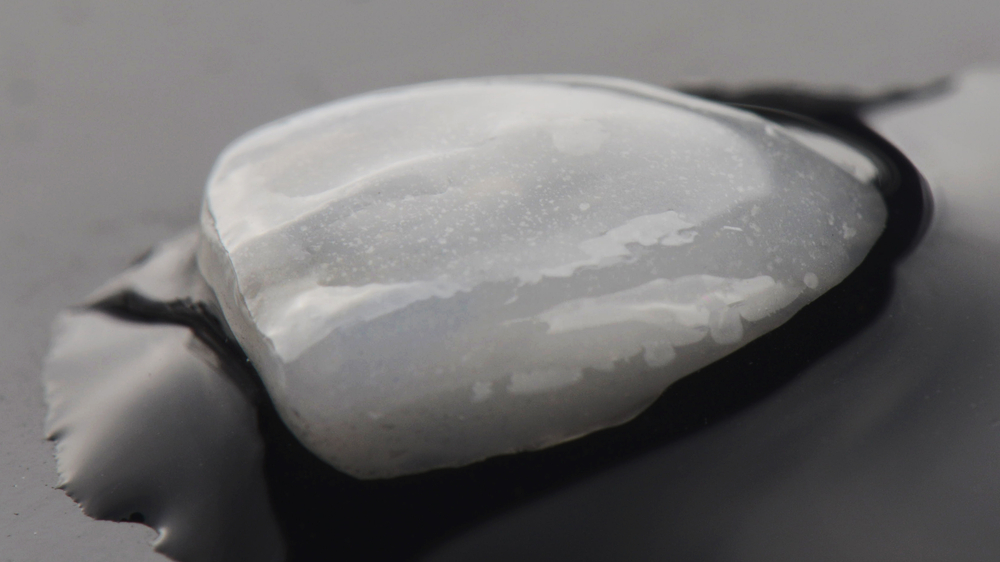
A dental bone graft is a surgical procedure that rebuilds or reinforces the jawbone. It adds bone material to an area where bone has been lost due to tooth extraction, gum disease, or injury. The graft creates a strong foundation so that dental implants can be placed successfully.
- Restores jawbone volume lost from missing teeth or infection
- Makes implants possible for patients previously told they weren’t candidates
- Preserves facial structure by preventing further bone loss over time
Types of Dental Bone Grafts Offered in Korea
Korean dental clinics offer several types of bone grafting, and your dentist will recommend the best option based on how much bone you’ve lost and where the implant will go.
- Socket Preservation (Alveolar Ridge Preservation): Done immediately after a tooth is pulled to prevent bone loss. This is the simplest and most affordable type.
- Sinus Lift (Sinus Augmentation): Used for upper back teeth where the sinus cavity sits close to the jaw. Bone material is added between the jaw and the sinus floor to create enough depth for an implant.
- Block Bone Graft: A small block of bone is taken from another area of the mouth and secured to the deficient site. Best for larger areas of bone loss.
- Guided Bone Regeneration (GBR): A membrane is placed over the graft site to protect it and guide new bone growth. Often combined with the other techniques above.
Why Choose Korea for a Dental Bone Graft?
Korea has built a strong global reputation in dentistry, particularly in implant-related procedures. Here’s why patients travel from around the world for this treatment:
- Highly trained dentists: Korean dental specialists often complete advanced training in implantology, oral surgery, and bone regeneration techniques.
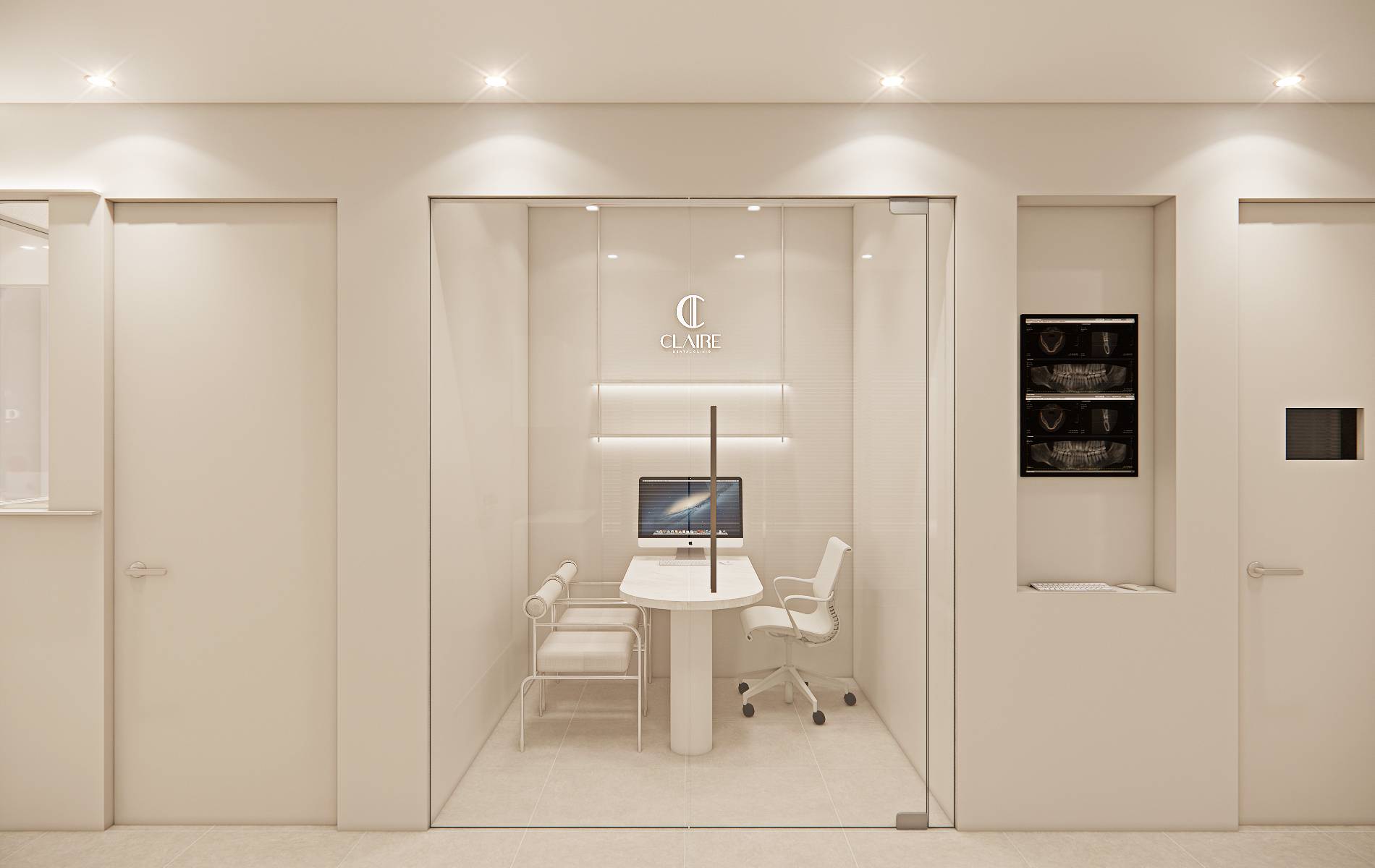
- Modern equipment: Clinics in Seoul use 3D CT scanning and digital planning tools to assess bone density and plan grafts with precision.
- Lower costs: Even with flights and accommodation, many patients save 40–70% compared to prices in the US, UK, or Australia.
- Shorter waiting times: Consultations and procedures can often be scheduled within days, not months.
- English-friendly clinics: Many Seoul dental clinics serving international patients have English-speaking coordinators on staff.
Cost of a Dental Bone Graft in Korea
Prices vary depending on the type of graft, the complexity of your case, and the materials used. Below are general price ranges to help you plan your budget.
- Socket Preservation (per tooth): ₩300,000 – ₩600,000 (approximately $220 – $450 USD)
- Guided Bone Regeneration (GBR): ₩500,000 – ₩1,200,000 (approximately $370 – $890 USD)
- Sinus Lift (lateral approach): ₩1,000,000 – ₩2,500,000 (approximately $740 – $1,850 USD)
- Block Bone Graft: ₩1,500,000 – ₩3,000,000 (approximately $1,100 – $2,200 USD)
These prices typically cover the graft material and the procedure itself. When comparing options, it’s helpful to research best korean dental implant brands treatments to understand the quality standards and materials your clinic will use. Implant placement is usually a separate cost and is scheduled after the bone has fully healed.
What to Expect During and After
A bone graft procedure is usually done under local anesthesia and takes between 30 and 90 minutes depending on the type. You will be awake but comfortable throughout. After the procedure, expect some swelling, mild discomfort, and bruising for three to seven days. Your clinic will provide pain medication and antibiotics. You should eat soft foods for one to two weeks and avoid hard or crunchy items. Most patients feel back to normal within ten days. During your recovery, your implant seoul procedure team will monitor your progress closely with regular check-ins.
Follow-up and Results
The bone graft needs time to fuse with your natural jawbone. This healing process, called osseointegration, typically takes three to six months. After this period, your dentist will take new scans to confirm the bone is ready for an implant. Most patients who complete the healing process successfully go on to receive a permanent dental implant with excellent long-term results. If you are traveling from abroad, your Korean clinic can coordinate with your home dentist for follow-up X-rays and check-ins. Clinics specializing in dental korea services often excel at managing international patient care across time zones.
Conclusion
A dental bone graft in Korea gives patients who have lost jawbone a real path to permanent, natural-looking dental implants. With skilled specialists, advanced technology, and costs significantly lower than in many Western countries, Seoul is an excellent choice for this procedure. Whether you need a simple socket preservation or a complex sinus lift, Korean dental clinics are well-equipped to deliver safe, high-quality results.
Ready to find out if you’re a candidate for a dental bone graft in Korea? Contact us on WhatsApp today for a free consultation. Share your dental records or X-rays and we’ll connect you with a trusted Seoul clinic that fits your needs and budget. Our coordinators are available to answer your questions and help you plan every step of your trip.