Dental Bridges in Korea | Affordable Restorative Dentistry in Seoul

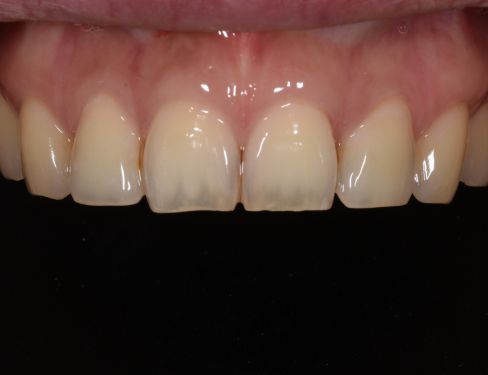
Korea has become one of the top destinations for affordable, high-quality dental care. Thousands of international patients travel to Seoul every year to restore their smiles at a fraction of what they would pay at home. If you are missing one or more teeth, a dental bridge in Korea could be the most cost-effective solution available to you.

What is a Dental Bridge?

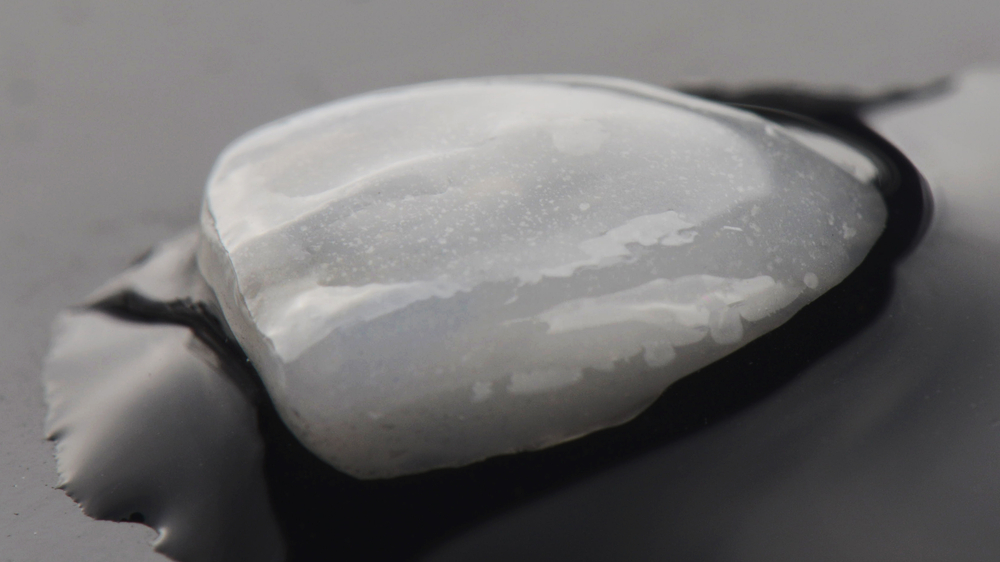
A dental bridge is a fixed dental restoration that literally “bridges” the gap left by one or more missing teeth. It uses crowns placed on the healthy teeth on either side of the gap to hold an artificial tooth — called a pontic — firmly in place. The result looks and functions like a natural tooth.

  • Restores your smile: Fills the visible gap left by missing teeth, improving your appearance and confidence.
  • Improves function: Lets you chew and speak normally again without discomfort or difficulty.
  • Prevents shifting: Stops neighbouring teeth from drifting into the empty space over time.

Types of Dental Bridges Offered in Korea

Korean dental clinics offer several types of bridges depending on your needs, budget, and the location of the missing tooth.

  • Traditional Bridge: The most common type. Two crowns anchor a pontic between them. Best for gaps with healthy teeth on both sides.
  • Cantilever Bridge: Anchored on only one side. Used when there is only one adjacent tooth available for support.
  • Maryland (Resin-Bonded) Bridge: A conservative option that uses metal or porcelain wings bonded to the back of adjacent teeth. Less invasive and no crowns required.
  • Implant-Supported Bridge: Instead of crowns on natural teeth, dental implants act as anchors. This is the most stable option and is ideal for multiple missing teeth in a row. For patients interested in exploring advanced implant solutions, check this guide on specialized implant techniques available in Korea.

Why Choose Korea for Dental Bridges?

Korea is globally recognized for its advanced dental technology and highly trained specialists. Here is why so many patients make the trip:

  • Significant cost savings: Prices in Korea are often 50–70% lower than in the US, UK, or Australia — even after factoring in flights and accommodation.
  • Advanced materials: Korean clinics routinely use zirconia and e.max (lithium disilicate) ceramics, which are the same premium materials used in top korean dermatology clinic and dental facilities.
  • Experienced dentists: Korean dental professionals often train internationally and hold advanced qualifications in restorative and cosmetic dentistry.
  • Fast treatment timelines: Many clinics can complete a bridge within 3 to 5 days, making it practical for short trips.
  • English-friendly service: Many Seoul clinics serving international patients have English-speaking coordinators on staff to guide you through every step.

Cost of Dental Bridges in Korea

Pricing depends on the type of bridge, the material chosen, and the number of units required. Below is a general price guide:

  • Porcelain-Fused-to-Metal (PFM) Bridge (per unit): ₩300,000 – ₩500,000 (approx. $220 – $375 USD)
  • Zirconia or e.max Ceramic Bridge (per unit): ₩500,000 – ₩900,000 (approx. $375 – $675 USD)
  • Full 3-Unit Traditional Bridge: ₩1,500,000 – ₩2,700,000 (approx. $1,100 – $2,000 USD)
  • Implant-Supported Bridge (3 units, including implants): ₩3,500,000 – ₩6,000,000 (approx. $2,600 – $4,500 USD)

For comparison, a 3-unit bridge in the United States typically costs between $3,000 and $6,000 USD. The savings in Korea are substantial. If you are considering alternative restorative options, learn more about other cosmetic solutions that may complement or serve as alternatives to traditional bridgework.

What to Expect During and After

Your first appointment usually includes X-rays, a full examination, and a treatment plan. The dentist will then prepare the anchor teeth by reshaping them slightly to fit the crowns. A temporary bridge is placed while your permanent bridge is custom-made in a dental lab — this usually takes 2 to 4 days in Korea. At your second appointment, the permanent bridge is fitted, adjusted, and cemented into place. You may feel mild sensitivity for a few days after the procedure, which is completely normal and fades quickly. Many patients choosing complex solutions explore resources from implantdentistrykorea.com to understand all available options before committing to a treatment plan.

Follow-up and Results

A well-made dental bridge can last 10 to 15 years or longer with proper care. Your dentist will give you instructions on how to clean beneath the bridge using floss threaders or an interdental brush. Most patients do not need an in-person follow-up if they are returning home, as their local dentist can handle routine checks. Korean clinics often provide aftercare support by email or video call for international patients.

Conclusion

Dental bridges in Korea offer an excellent combination of quality, speed, and affordability. Whether you need a simple 3-unit bridge or a more complex implant-supported solution, Korean dental clinics are well-equipped to deliver outstanding results. For many international patients, the trip pays for itself many times over compared to home-country prices.

Ready to find out if a dental bridge in Korea is right for you? Contact us today on WhatsApp for a free, no-obligation consultation. Share your X-rays or photos and get a personalised quote from a trusted Seoul dental clinic within 24 hours. Your new smile could be closer — and more affordable — than you think.